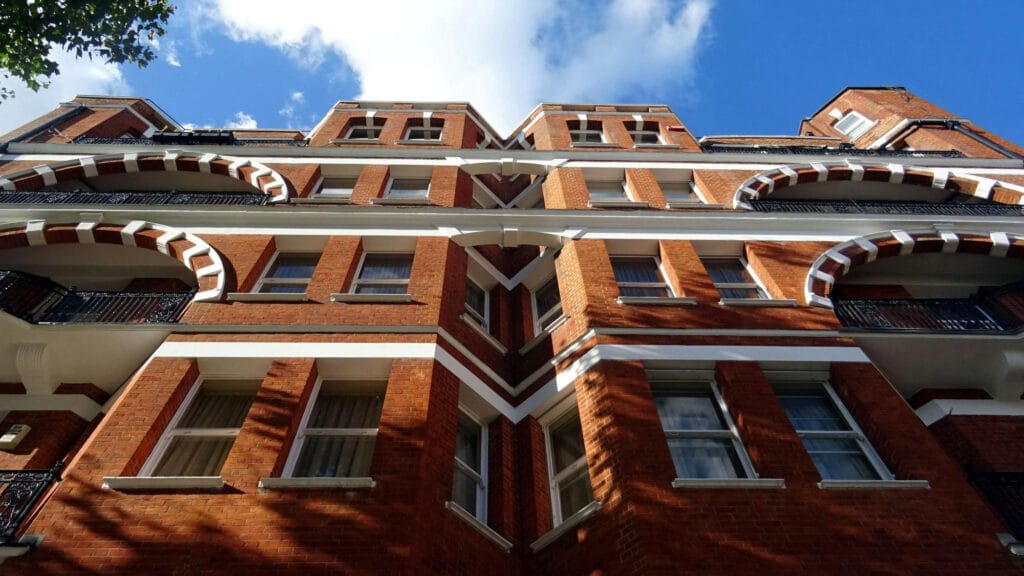
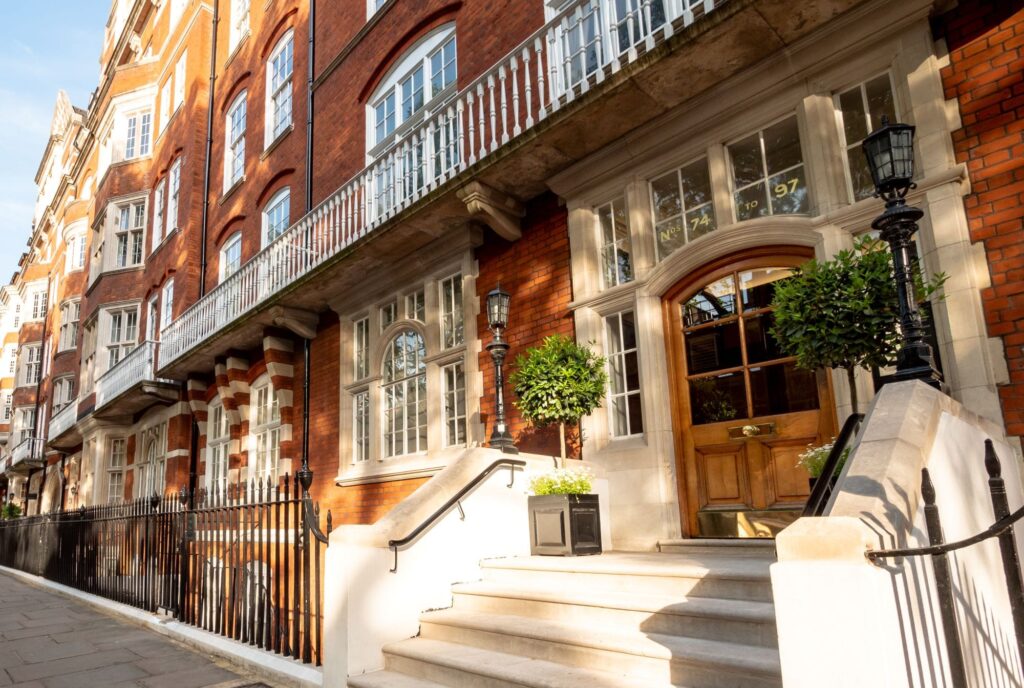
Older residential blocks have character. Solid construction, generous layouts and a sense of permanence that many newer developments struggle to replicate. But behind that reassurance, there are often quiet risks. These risks are not dramatic, headline-grabbing failures, but issues that build slowly over time if they’re not properly understood and managed.
These risks don’t exist because anyone has done something wrong. They exist because buildings age, standards evolve and responsibilities are often misunderstood.
Buildings age but responsibilities don’t disappear
Many older blocks were built long before today’s safety, fire and compliance standards existed. That doesn’t make them unsafe by default, but it does mean they need a different level of attention.
Common issues we see in older residential buildings include:
- Ageing roofs and drainage systems
- Outdated electrical infrastructure in communal areas
- Original fire doors, compartmentation or signage
- Incomplete or missing historic records
“fine because they’ve always been fine.”
insurance claims or compliance challenges later on.
Fire safety is often misunderstood
Fire safety in older blocks is one of the most misunderstood areas in leasehold management. Many buildings were designed to different standards, and applying modern expectations without understanding the original design can lead to confusion and frustration.
This is where collaboration matters.
Fire safety isn’t about blame or enforcement for the sake of it. It’s about understanding how a building is intended to perform in the event of a fire, what has changed over time, and what is reasonably required to maintain safety now.
Leaseholders play an important role here , particularly when it comes to:
Alterations within flats
- Fire doors and internal layouts
- Storage in communal areas
Clear communication and shared understanding reduce risk far more effectively than heavy-handed instruction.
Water is one of the biggest silent threats
In older blocks, water damage remains one of the most common and expensive issues. Roofs, gutters and pipework often deteriorate gradually, meaning problems can go unnoticed until visible damage appears inside a flat.
By the time water is seen internally, it’s often been present for some time.
Planned inspections, routine maintenance and early reporting are critical. This is where leaseholders and managing agents need to work together. Remember, a reported damp patch isn’t a complaint, it’s an opportunity to prevent a bigger problem.
Records matter more than people realise
One of the least visible risks in older blocks is poor or incomplete documentation. Historic asbestos surveys, fire strategies, inspection records or maintenance histories are often missing, outdated or fragmented.
Without accurate records:
- Compliance becomes harder to demonstrate
- Insurance claims can be delayed or challenged
- Future planning becomes guesswork
Good management is about what can be evidenced, explained and relied upon over time.
Responsibility should focus on understanding, not on fault
One of the biggest barriers to effective management in older blocks is fear around responsibility. Leaseholders worry that raising issues will lead to blame or unexpected costs. Directors worry about personal liability and managing agents are sometimes seen as enforcers rather than partners.
In reality, responsibility in leasehold buildings is shared and understanding it properly protects everyone.
When leaseholders are informed and engaged, risks are identified earlier, and if managing agents take the time to explain the “why”, trust improves significantly.
A collaborative approach works better
At JMJ Asset Management, we believe older residential blocks don’t need managing against. They need managing with the people who live in them.
That means:
- Explaining risks clearly, without alarm
- Helping leaseholders understand their role
- Planning sensibly for the long term
- Addressing issues early, not defensively
Older buildings can perform well for decades to come when they are understood, respected and properly maintained and when directors are supported with clear advice.
The quiet risks are manageable, but only when they’re acknowledged. Thoughtful, collaborative management turns ageing buildings from sources of concern into assets that remain safe, compliant and well cared for.