
If you live in a leasehold flat with communal heating, you may have felt frustrated by a system you did not choose, cannot change and do not always fully understand. For many years heat networks sat in an awkward regulatory gap. They were not treated like standard utilities and they did not fit neatly into the usual service charge framework. As a result, leaseholders had limited protection and very little leverage.
That situation is now improving significantly. New regulation combined with Ofgem oversight and access to the Energy Ombudsman represents a major step toward fairness and clarity for leaseholders, resident directors, Right to Manage companies and managing agents.
At JMJ we see these reforms as an important step in restoring balance and trust across the sector.
What is a heat network and why have they caused so many problems?
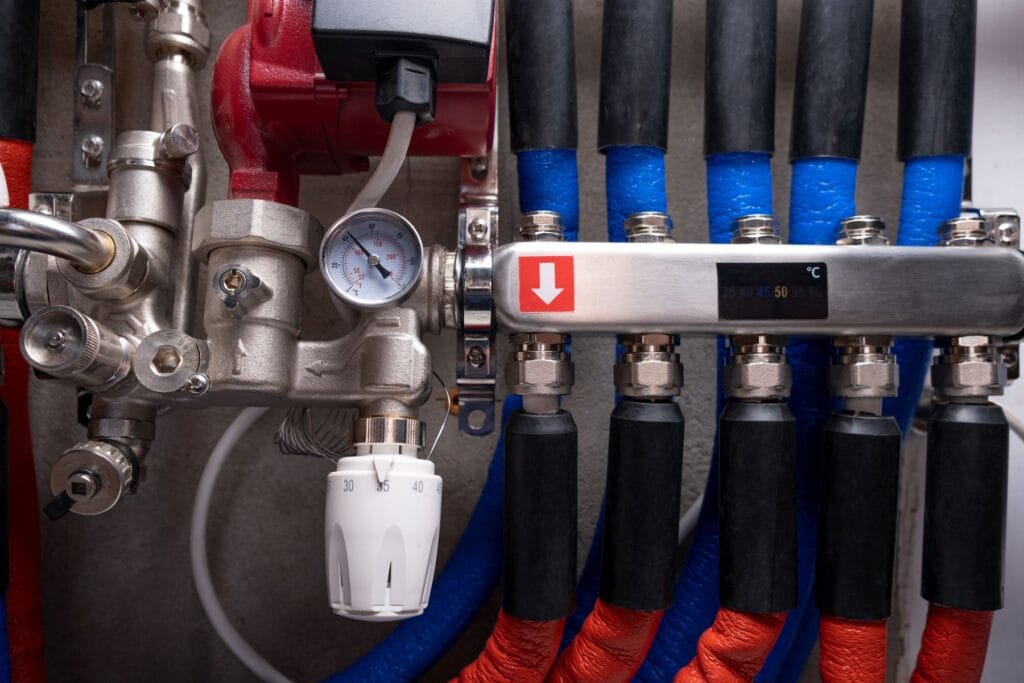
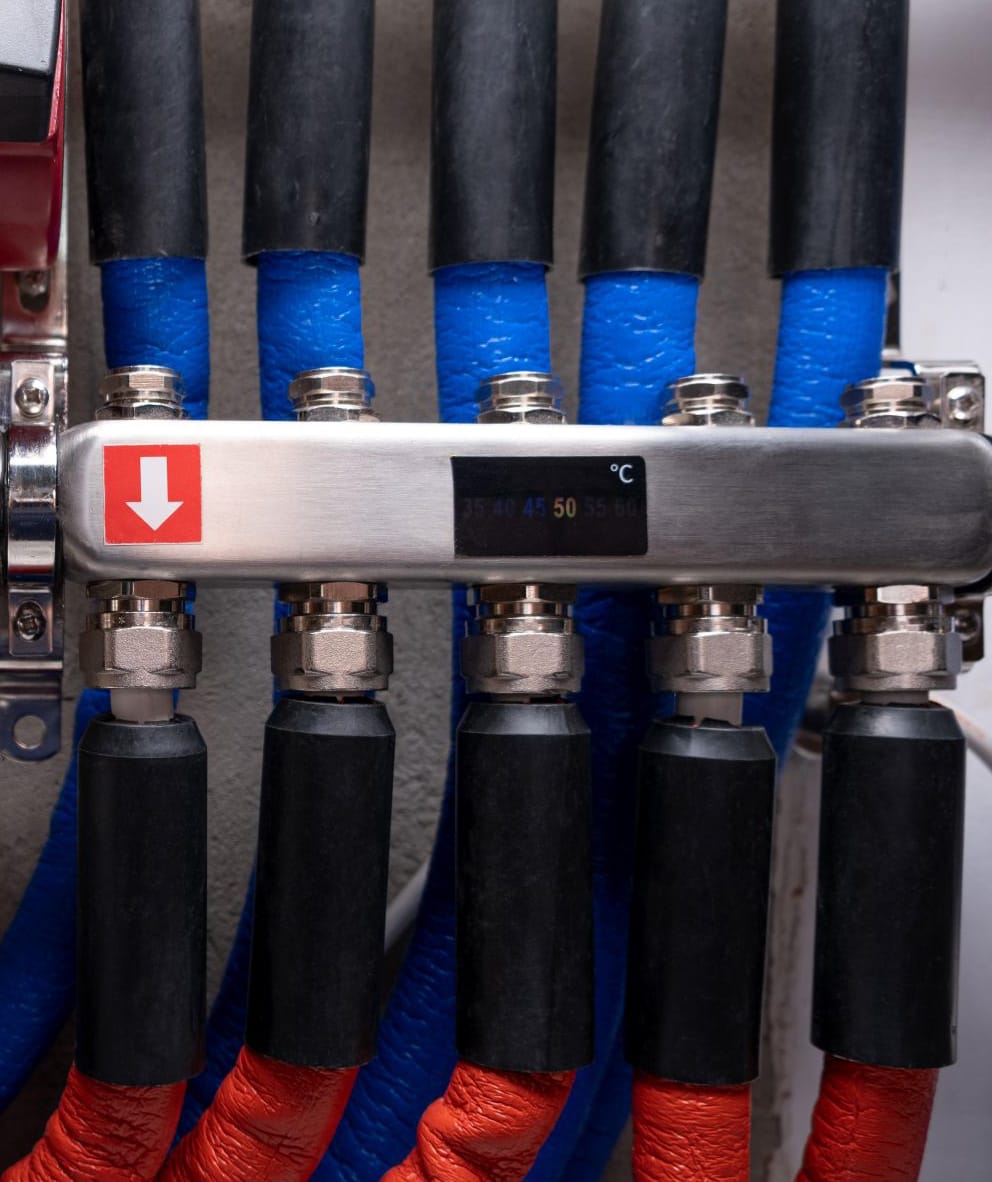
Heat networks are common in modern residential developments. One central plant supplies heating and hot water to multiple homes. In theory this should provide efficiency and predictable costs. In practice many residents have experienced:
- Confusing or opaque billing
- Limited transparency on tariffs
- Slow resolution of outages
- No clear route to escalate complaints
- Inconsistent standards between operators
Because heat networks did not fall under full energy regulation, leaseholders often felt stuck. Tribunal routes do not always cover day to day supply issues. Complaints processes varied widely. Residents could not simply switch supplier.
What has changed in 2025 and 2026?
Two major changes have reshaped the landscape for leaseholders.
Access to the Energy Ombudsman from April 2025
Leaseholders can now escalate unresolved complaints about billing, delays, customer service or lack of transparency to the Energy Ombudsman. This provides an independent and free route to challenge poor service.
Ofgem becoming the statutory regulator from January 2026
All heat network operators must now be authorised and meet legally binding regulatory conditions. This brings heat networks closer to the standards expected in gas and electricity supply.
For leaseholders this means proper consumer protection for the first time.
What protections do leaseholders now have?
The new framework introduces clear standards that suppliers must meet. These include:
- Fair treatment and proper conduct
- Transparent and understandable billing
- Limits on back billing to stop large historic charges
- Reliable complaints handling
- Enhanced protection for vulnerable residents
- Stronger requirements for continuity of supply
If problems still occur residents now have a guaranteed escalation route through the Energy Ombudsman. This is especially important because leaseholders cannot switch supplier if service is poor.
What does this mean for managing agents, landlords and RTM companies?
Those who oversee or operate heat networks now have clearer responsibilities. These include:
- Ensuring proper authorisation and registration
- Providing a robust and compliant complaints process
- Making billing accurate and easy to understand
- Communicating clearly with residents
- Maintaining records and data that meet regulatory expectations
At JMJ we believe good block management has always relied on clarity, transparency and accountability. These new regulations simply formalise what responsible management already looks like.
How does this change the relationship between residents and suppliers?
One of the most positive outcomes is the shift in power and confidence. Leaseholders are no longer left feeling unheard when issues arise with communal heating.
Independent oversight tends to encourage:
- Faster issue resolution
- Clearer communication
- Better decision making
- Fairer expectations for all parties
In time this should lead to fewer disputes, better run buildings and stronger relationships between residents, managing agents and heat network operators.
Our view at JMJ
As specialists in block and estate management across Cheltenham, Bristol and the surrounding areas, we welcome regulation that genuinely improves the experience of leaseholders while raising standards across the sector.
Heat networks are complex and so is leasehold law. Residents deserve managing agents who can navigate both with confidence, clarity and calm.
Property management is not simply about reacting when rules change. It is about helping people understand what those changes mean for their homes, comfort and peace of mind.
If you are a leaseholder, resident director or RTM company with questions about heat networks, service charges or property management responsibilities, we are here to guide, explain and support. We are not here to overwhelm you.