
facades old houses row against sky

10 Things you need to know about the Leasehold and Commonhold Reform Bill

The Leasehold and Commonhold Reform Bill marks another significant step in reshaping how residential buildings may be owned and managed. For leaseholders and resident directors, the proposals signal a shift towards greater transparency, stronger governance and more accessible pathways to ownership. Understanding the direction of travel helps boards prepare sensibly for change rather than react to it.


Read More »
Modern small block of flats illustrating leasehold reform and building management

Leasehold Reform: What it means for the value of your flat

Leasehold reform has brought renewed attention to how flats are owned, managed and valued across England and Wales. While the legislation aims to improve fairness and transparency, property value is still shaped by everyday factors such as lease length, building condition and the strength of financial management. Buyers are increasingly focused on how well a building is run, whether service charges are clear and whether long‑term planning is in place. For RMC and RTM Directors, good governance remains essential. Effective budgeting, responsible procurement and clear communication continue to play a central role in protecting both the building and the value of the homes within it.

Read More »
Hand checking items on a procurement checklist for resident directors beside a laptop

Procurement Done Properly – A Spring Checklist for Resident Directors

Spring is the ideal moment for RMC and RTM Directors to pause, take stock and approach procurement with clarity. Winter often exposes hidden issues in residential blocks, and as the weather improves, inspections, contractor availability and resident engagement all become easier. Good procurement is not just about finding the right contractor. It is about managing risk, protecting leaseholder funds and demonstrating strong governance.
This spring checklist provides a practical framework to help directors plan ahead, compare quotes confidently, meet legal obligations and maintain trust within their block.

Read More »
Person using a laptop and phone while reading guidance on building insurance for leaseholders

10 Questions every leaseholder should ask about building insurance

Building insurance is one of the most important safeguards for any residential block, yet for many leaseholders it only appears once a year when the service charge budget is issued. At JMJ Asset Management, we want building insurance to feel clear, understood and properly overseen, not something that becomes stressful only when a claim occurs.
To bring practical perspective, we have collaborated with Rob Mayo of Insurety, specialist brokers who support RMCs, RTMs and managing agents across the UK. Throughout our full guide, Rob provides expert insight on the issues that matter most to directors and residents.
Our aim is simple: to help directors feel confident in their responsibilities and to reassure leaseholders that their building is protected. From understanding reinstatement values to knowing what the policy actually covers, asking the right questions reduces risk, improves transparency and strengthens governance across the development.

Read More »
RMC director reviewing financial and consultation documents as part of the Section 20 process.

Section 20 Consultation: A Practical Guide for RMC and RTM Directors

Section 20 consultation is one of the most important yet misunderstood duties for RMC and RTM directors. When handled well, it supports transparency, fair decision‑making and stronger governance. When overlooked, it can limit recoverable service charges and create unnecessary conflict. This guide explains when Section 20 applies, what the process involves and how resident‑led boards can approach it with clarity and confidence.

Read More »
A person reviewing charts and financial graphs on paper, symbolising reserve fund planning and long‑term budgeting for residential blocks.

Reserve Funds Explained: Strategic Planning for RMCs and RTMs

A well‑planned reserve fund is essential for financial stability in any residential block. For RMCs and RTMs, it provides clarity, reduces unexpected costs and supports confident long‑term decision‑making. This article explains what reserve funds are, why they matter, and how strategic planning helps protect buildings, budgets and leaseholder confidence.

Read More »
A wooden judge’s gavel resting on a sound block, symbolising legal reform and upcoming changes to leasehold law in the UK.

Ground Rent Reform – What the Proposed £250 Cap Means for Leaseholders, RMCs and RTMs

Ground rent reform is set to take a significant step forward under the Government’s draft Commonhold and Leasehold Reform Bill. The proposals introduce a statutory cap of £250 per year for existing long residential leases, followed by a reduction to a peppercorn after 40 years. Although the reforms are not yet law, they mark a clear shift toward greater fairness, transparency and long‑term confidence in leasehold ownership.
For RMCs and RTMs, the changes offer increased predictability, reduced friction with residents and improved mortgageability within their blocks. They also highlight the need for directors to understand how evolving legislation may affect governance and communication. JMJ Asset Management supports resident‑led companies by explaining reforms clearly and helping them prepare for what lies ahead.

Read More »
roup of people in a meeting representing an AGM for RMC and RTM directors

Running an Effective AGM: How JMJ Supports RMC & RTM Directors

JMJ Asset Management takes the pressure off RMC and RTM directors by professionally managing the entire AGM process. From preparing notices and AGM packs to facilitating the meeting and ensuring post‑AGM follow‑through, JMJ provides structure, compliance and clarity. Directors stay in control of decisions while JMJ handles the administration, helping meetings run smoothly, transparently and with reduced risk for everyone involved.

Read More »
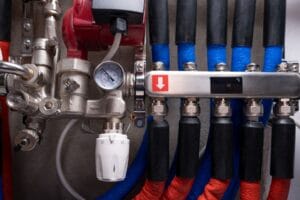
Heating manifold that represents how communal heat networks supply flats under Ofgem rules

Heat Networks, Ofgem and What It Means for Leaseholders

Heat networks have long been a source of confusion for leaseholders who often felt trapped by unclear billing, slow resolutions and limited rights. New statutory regulation and the introduction of Ofgem as the heat network regulator bring real consumer protection for the first time. Leaseholders, RMC directors and RTM companies now have clearer standards, transparent processes and access to the Energy Ombudsman when things go wrong. This marks a meaningful shift toward fairness, accountability and better managed buildings.

Read More »
Edwardian mansion block of flats, showing the character and age typical of older residential buildings.

The quiet risks lurking in older residential blocks

Older residential blocks offer character and longevity, but they also carry quiet risks that develop over time. These aren’t caused by failure, but by ageing buildings, changing standards and misunderstood responsibilities. With clear communication and proactive management, these risks can be identified early and managed collaboratively.

Read More »
Hands reviewing property management paperwork with a calculator when assessing managing agent costs and compliance risks

Why the “Cheapest Managing Agent” Is Rarely the Safest Option

In the leasehold sector, price has always mattered. Directors have a responsibility to be cost conscious, and leaseholders rightly expect reassurance that their money is being spent carefully. But as regulation tightens and responsibilities increase, one truth is becoming increasingly clear. The cheapest managing agent is rarely the safest option.
Managing agent fees do not exist in isolation. When costs are pushed too low, something else usually gives way, whether that is time, experience or oversight. In a post Building Safety Act landscape, residential block management is no longer a light touch administrative role. It is a risk led, accountable function, and choosing a managing agent purely on price can often increase exposure rather than reduce it

Read More »
Paperwork and pen representing end-of-year accounts for a leasehold property

End of year accounts: What leaseholders should really be looking for

End-of-year accounts shouldn’t feel overwhelming. They’re simply a snapshot of how your building has been looked after over the past twelve months. The most important thing is that the numbers make sense and the story behind them is clear. Good management shows up in steady decision-making, open communication, and the confidence that nothing has been hidden or delayed. When accounts are transparent and easy to follow, leaseholders feel included rather than kept at arm’s length.

Read More »
Close-up of a leasehold property contract with pen and paperwork on a desk.

What to consider when buying a leasehold property

If you’re considering a leasehold property, it’s worth understanding how the building is managed and what the lease expects from you. This guide breaks down the key points, from service charges to long-term maintenance and your own responsibilities so the process feels less overwhelming and far more transparent. With the right insight, buying leasehold becomes a much clearer and more reassuring experience.

Read More »
Representation of a clause in a lease contract

What does a lease actually say? – A guide to demystifying common lease clauses

A lease shouldn’t feel intimidating, but many do. Behind the long sentences and legal language are simple rules about how your home is maintained, what you’re responsible for, and how your building is meant to function. In this guide, we unpack the most common lease clauses in plain English so you can understand the essentials without the jargon. When residents feel confident about what their lease actually says, everything from service charges to repairs becomes clearer, calmer and far easier to navigate.

Read More »
Service charge budget transparency illustrated with clear, realistic planning concept

How we build budgets that make sense to everyone

Service charge budgets shouldn’t feel like a mystery. At JMJ, we believe they should be clear, fair, and rooted in reality, not optimism or guesswork. That means starting with what your block or estate truly needs, explaining costs in plain language, and planning for the long term.
Transparent budgets protect residents from surprises, prevent arrears, and keep developments running smoothly. When RMC Directors and managing agents collaborate, budgets stop being a source of conflict and become a tool for stability. Our goal is simple: budgets that make sense to everyone.

Read More »
Person standing outside a modern block of flats, representing residential property management

The Role of a Resident Management Company (RMC) Director

Being a Resident Management Company (RMC) Director can feel like a big responsibility, but it’s also one of the most important roles in keeping a building or estate running smoothly. In this blog, we break down what the role actually involves, why it matters, and how good communication with your managing agent can make all the difference.

Read More »
Georgian-style leasehold flats in the UK, typical properties where buying the freehold may be an option

Buying the Freehold of a leasehold property – what you need to know

Buying the freehold of your building can give leaseholders real control, from how their property is managed to how service charges are spent. But it’s not as simple as owning your flat outright. In most cases, leaseholders form a Residents’ Management Company that collectively owns the building and the land, while each resident continues to hold their flat on a lease.

Recent changes under the Leasehold and Freehold Reform Act 2024 are set to make the process simpler and more transparent, reducing costs and removing barriers for leaseholders. Even so, the process still involves careful planning, shared responsibility, and professional guidance.

At JMJ Asset Management, we help leaseholders navigate that journey, offering clear, calm, and confident support to ensure your building is well-managed, compliant, and protected for the long term.

Read More »
Estate management at JMJ represented

Why estate charges exist – and why you’re not “paying twice”

Estate charges aren’t a duplicate tax or a way for agents to profit. They exist because councils increasingly choose not to adopt roads, lighting, drains, and green spaces on new developments. When these areas remain private, homeowners collectively own them – and someone must maintain them.
The service charge funds actual upkeep: landscaping, lighting, repairs, insurance, and contractors. It does not go into the agent’s pocket; the agent earns a separate management fee for coordinating services.

Read More »
Exterior view of a pre-1960 residential block of flats, highlighting mid-century communal architecture relevant to block management.

Block Management vs Property Management: Why the difference matters

Block management and property management may sound similar, but they serve very different needs. Whether you’re a leaseholder, landlord, or RMC director, understanding the distinction is key to ensuring your property is properly supported. At JMJ Asset Management, we specialise in managing residential blocks and estates , focusing on communal responsibilities, compliance, and financial health. Discover why block management requires a unique skillset and how our expert team can help.

Read More »

What does good communication look like?

Good block management relies on effective communication, not just updates, but building trust with leaseholders and directors. People want to know:

  • What’s happening
  • Why it’s happening
  • How their service charge is being used
  • Who to contact if there’s a problem

Good managing agents provide:

  • Timely responses to emails and repair reports
  • Clear service charge budgets and financial updates
  • Transparent major works planning, with full consultation
  • Site updates, notices, and regular contact with residents and directors

For example, we recently took over a block where the directors hadn’t received any formal communication from their previous agent in over eight months. Residents were frustrated, repairs were delayed, and trust had broken down. Our first step? A clear email introducing our team, followed by a site visit, budget review, and regular monthly updates – all part of our commitment to effective communication in block management. Within three months, relationships had improved, service levels were up, and the directors felt back in control.

Why it matters

Poor communication is one of the top reasons residents lose trust in a managing agent and the main reason complaints are raised. Missed updates, vague answers, or lack of follow-up can lead to frustration and disputes.

On the other hand, a managing agent who keeps you informed and involved builds confidence and long-term cooperation. That makes life easier for directors, reduces misunderstandings, and strengthens your community.

How JMJ communicates

We provide regular, jargon-free updates, respond promptly to queries, and ensure residents and directors always know who to contact. Our systems are designed to keep communication flowing, from maintenance updates to meeting summaries.

When we’re preparing service charge budgets, we explain every line. When planning major works, we consult with directors, prepare Section 20 notices where required, and make sure residents are fully informed.

An example of our work

One of our clients was facing major external redecorations. The project was essential, but communication had been poor in the past. We organised a residents’ meeting, shared a detailed scope of works, and ensured that questions were answered in plain English. The result was a stronger buy-in from residents, no formal objections, and a project that ran to time and budget.


Looking for a managing agent who keeps you in the loop?

Contact JMJ Asset Management to discuss how we work.